AI-POWERED EFFICIENCY FOR A HOSPITALITY BRAND IN VIETNAM
Automation reduced operational bottlenecks and helped hotel teams respond faster to daily demands.
A Hanoi-based hospitality company partnered with Elite Strategy to introduce AI-driven automation across internal hotel operations. The objective was clear: reduce manual workload across reservations, internal coordination, and administrative processes while improving operational visibility.
By implementing intelligent workflows and real-time operational insights, the company streamlined internal processes and improved team productivity. Staff were able to focus on higher-value responsibilities while routine processes ran automatically in the background.
The result was faster internal coordination, lower operational costs, and smoother day-to-day hotel operations.
RESULTS
82%
Reduction in manual administrative workload across reservations and internal coordination
45%
Faster response time to operational requests between hotel departments
30%
Improvement in staff productivity by automating routine operational tasks
AI-powered workflows streamline operations, enabling hospitality teams to deliver faster service and operate more efficiently as the business grows.
SITUATION

Improving hotel operations in a fast-growing hospitality market
Vietnam’s hospitality sector has expanded rapidly over the past decade, driven by increasing international tourism and domestic travel demand. For hotel operators, this growth brings opportunity — but also operational complexity.
The Hanoi-based hospitality company manages multiple operational processes daily, from reservations and guest requests to housekeeping coordination and internal reporting. As operations expanded, many of these processes remained manual, relying heavily on email coordination, spreadsheets, and repetitive administrative work.
These inefficiencies created operational bottlenecks. Staff spent significant time managing routine tasks rather than focusing on improving guest service or operational improvements. Internal coordination between departments also became slower as the organization scaled.
To remain competitive and operate more efficiently, the company sought a smarter operational model — one that could automate repetitive processes while giving teams better visibility into daily operations.
That’s when the company partnered with Elite Strategy to introduce AI-powered operational automation.
SOLUTION
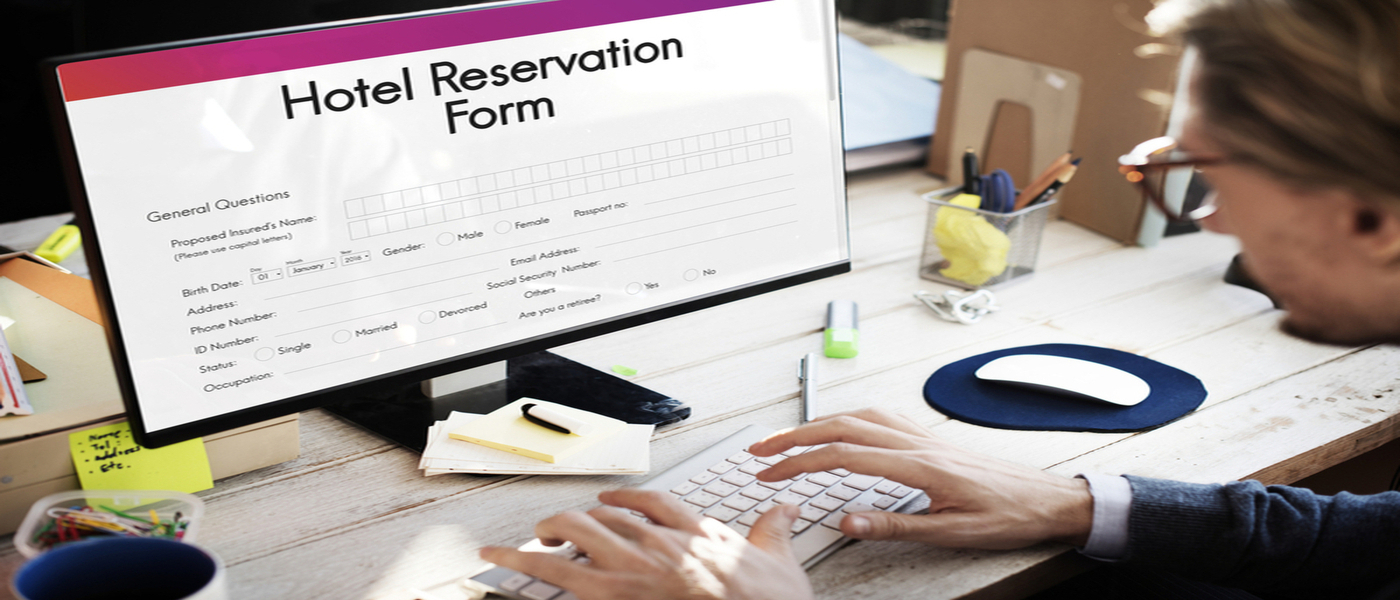
Automating hotel workflows with AI-driven operational systems
Elite Strategy worked with the hospitality company to identify operational processes that could benefit most from automation. The goal was not simply to introduce new technology, but to redesign internal workflows so that routine operational tasks could run automatically.
AI-powered workflows were introduced to automate tasks across several operational areas, including reservation coordination, internal service requests, and administrative reporting. Instead of relying on manual updates and email chains, automated workflows ensured information moved instantly between departments.
Operational dashboards were also introduced to give management real-time visibility into hotel activity. Teams could quickly identify operational issues, monitor performance indicators, and coordinate responses more efficiently.
By integrating automation into daily operations, hotel staff were able to reduce time spent on repetitive administrative tasks while improving the speed and consistency of internal coordination.
Rather than replacing staff roles, the system enhanced team productivity — allowing employees to focus more on guest experience and service delivery.
RESULTS
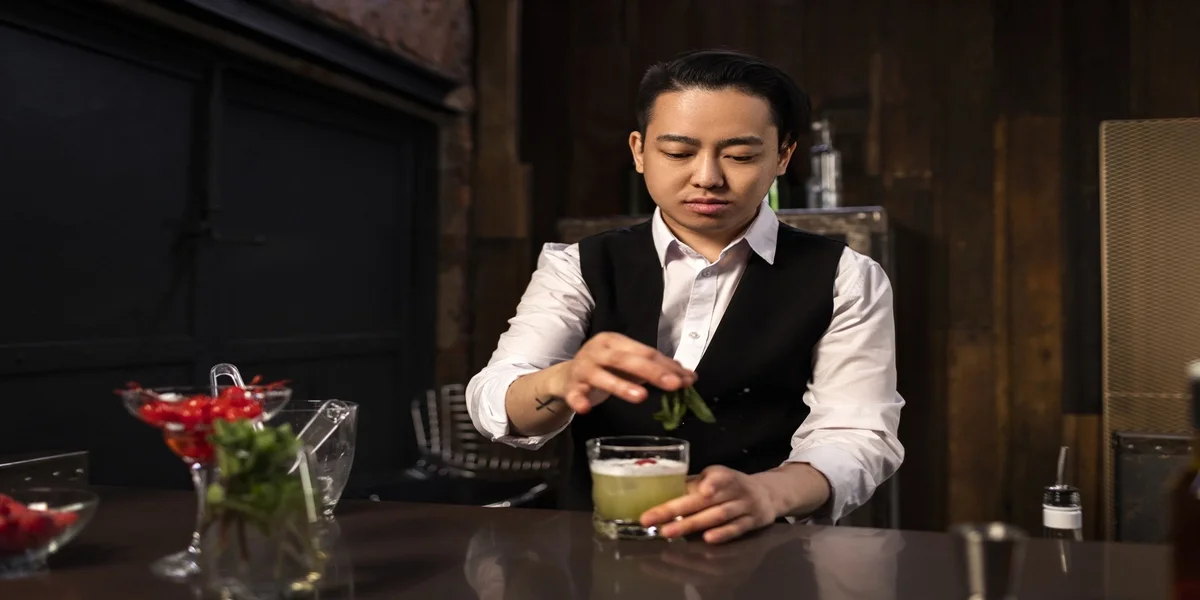
Faster operations, lower costs and more productive hotel teams
The introduction of AI-driven operational automation delivered measurable improvements across the company’s internal processes.
Routine tasks that previously required manual coordination were now handled automatically, reducing operational delays and freeing staff from time-consuming administrative work. Departments were able to communicate and coordinate faster, improving the overall flow of daily hotel operations.
Operational visibility also improved significantly. With real-time insights into reservations, service requests, and internal processes, management could respond to operational issues faster and make better decisions.
These improvements translated into clear business outcomes: lower operational costs, improved team productivity, and smoother day-to-day hotel operations.
For staff, the changes were equally impactful. Instead of spending time on repetitive administrative work, teams could focus on delivering better guest experiences and supporting the hotel’s continued growth.
With a scalable AI-enabled operational model now in place, the company is well positioned to expand operations while maintaining efficient internal coordination.