IMPROVING PRODUCTION RELIABILITY FOR A MALAYSIAN ELECTRONICS MANUFACTURER
Predictive AI tools reduced equipment downtime and stabilized production output.
A Malaysia-based electronics manufacturer partnered with Elite Strategy to deploy AI-driven solutions across its production environment. The goal was to improve equipment reliability, minimize unexpected disruptions, and maintain consistent output across manufacturing lines.
By introducing intelligent monitoring systems and predictive maintenance capabilities, the company gained real-time visibility into machine performance. AI models analyzed operational data to detect early warning signals before equipment failures occurred.
With automated alerts and predictive insights, factory teams were able to respond quickly to potential issues, preventing costly downtime and maintaining smoother production operations.
The result was improved production stability, reduced maintenance interruptions, and stronger operational efficiency across the facility.
RESULTS
37%
Reduction in unexpected equipment downtime across key production lines
22%
Increase in production consistency through predictive maintenance insights
30%
Improvement in maintenance response time with AI-driven alerts
SITUATION
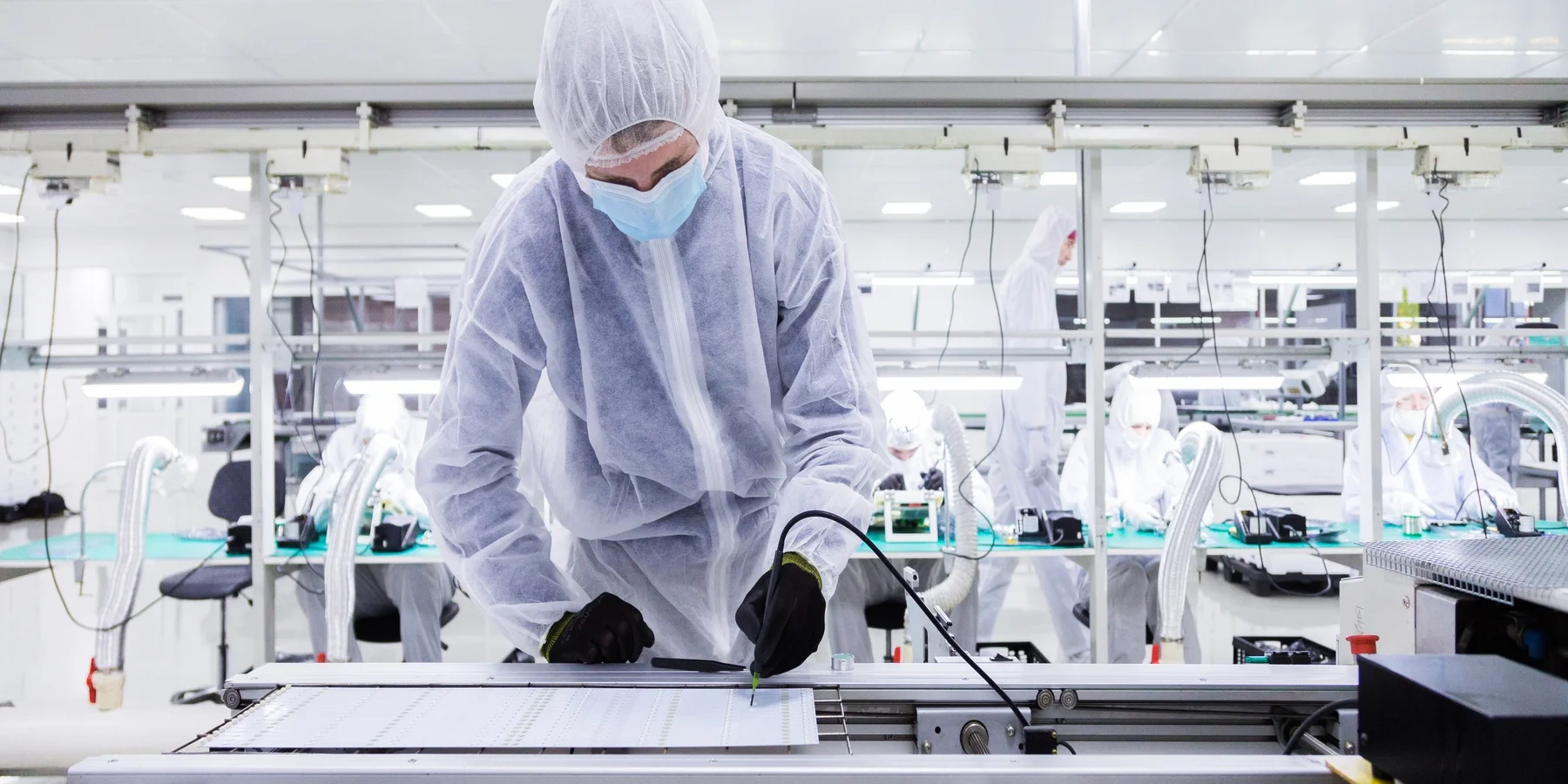
Maintaining production stability in a high-precision manufacturing environment
Electronics manufacturing requires highly reliable production systems. Even minor disruptions in equipment performance can interrupt production schedules, affect product quality, and increase operational costs.
The Malaysian manufacturer operates multiple production lines that rely on precision machinery and tightly coordinated processes. As production volumes increased, the company began experiencing occasional equipment failures that caused unexpected line stoppages.
These disruptions created operational challenges. Maintenance teams often responded only after a machine failure occurred, leading to unplanned downtime and delays across the manufacturing schedule.
Without real-time monitoring and predictive insights, it was difficult for the company to anticipate equipment issues before they affected production.
To strengthen operational reliability and reduce costly disruptions, the manufacturer partnered with Elite Strategy to introduce AI-powered monitoring and predictive maintenance capabilities across its production environment.
SOLUTION
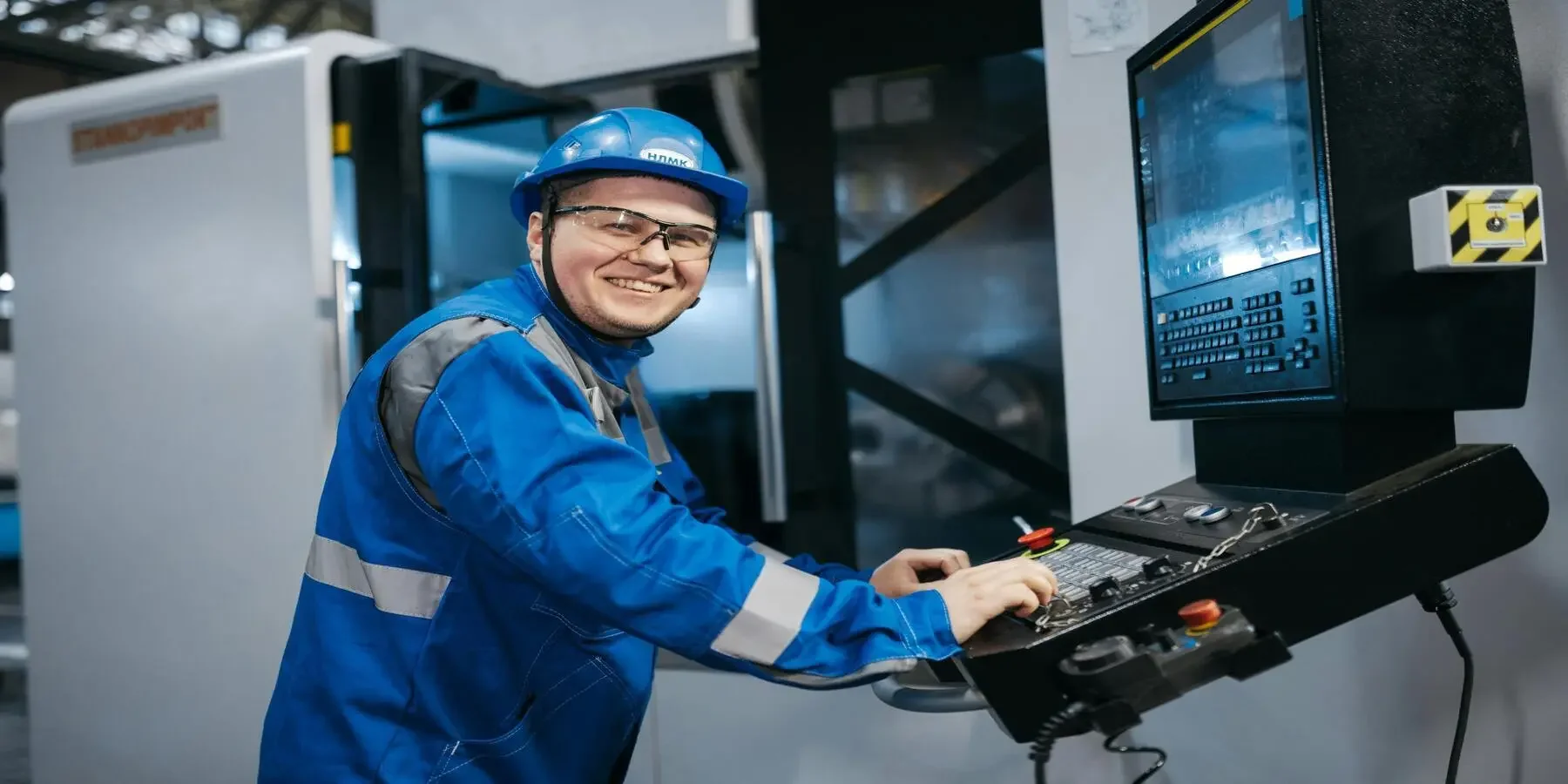
Using predictive AI to monitor equipment performance
Elite Strategy collaborated with the manufacturer to integrate AI-powered monitoring tools into its production systems. The focus was on identifying early indicators of equipment degradation so maintenance teams could act before failures occurred.
Sensors and data collection systems were used to track machine performance metrics such as vibration, temperature, and operational patterns. AI models analyzed these signals continuously to detect anomalies that could indicate potential equipment problems.
When the system identified unusual patterns, automated alerts notified maintenance teams so they could investigate and resolve the issue before it escalated into a production stoppage.
Operational dashboards also provided plant managers with real-time insights into equipment health across the factory floor. This visibility enabled better planning of maintenance activities and improved coordination between engineering and production teams.
By shifting from reactive maintenance to predictive maintenance, the manufacturer was able to maintain more stable production operations and reduce the frequency of unexpected equipment failures.
RESULTS
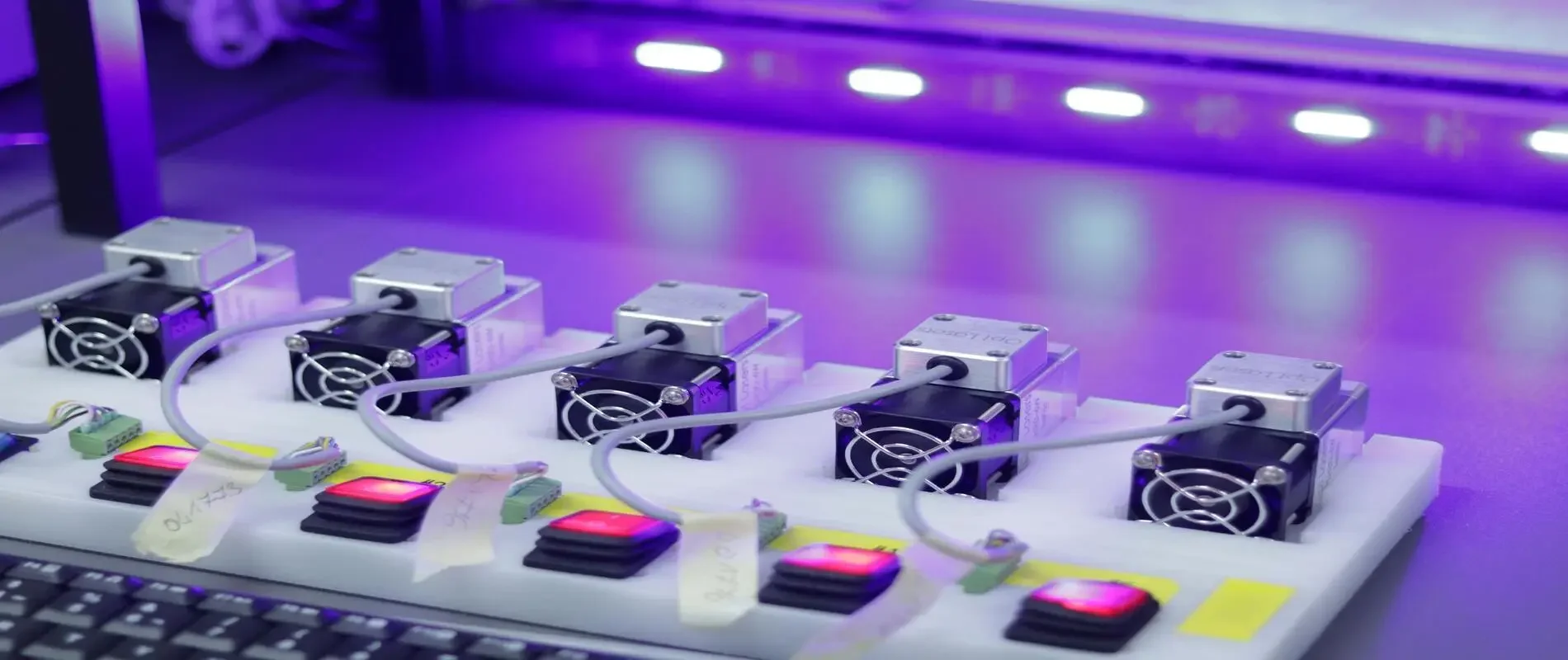
Greater production reliability and improved operational efficiency
The introduction of AI-driven predictive monitoring significantly improved equipment reliability across the manufacturer’s production lines.
Potential machine issues could now be identified earlier, allowing maintenance teams to intervene before failures disrupted production. This proactive approach helped reduce downtime and maintain a more consistent manufacturing output.
The company also gained improved operational visibility. Real-time monitoring of machine performance allowed plant managers to make faster decisions and coordinate maintenance activities more effectively.
As a result, the manufacturer achieved greater stability across its production environment while lowering the operational costs associated with unexpected equipment failures.
With a more resilient production system in place, the company is now better positioned to scale operations and maintain consistent product quality as demand grows.